 Skip to content


The human skeletal system can be compared to a machine. It is made of many different parts that are perfectly matched to each other in order to create a harmonious whole. In order for this machine to function well, it must be properly oiled. In the human skeleton, the role of oil is played by synovial fluid, which is produced by the joint membrane. It is unable to regenerate, which is why, under the influence of use and the passage of time, it ceases to fulfill its basic task. So what to do when your knees start to refuse to obey? In today's post, we will discuss one of the most effective solutions to this problem - hyaluronic acid supplementation for joints.
The effect of hyaluronic acid on joints
Hyaluronic acid is an organic chemical compound classified as a polysaccharide from the glycosaminoglycan group. It occurs naturally in the human body and plays a very important role in building the structure of the dermis. Hyaluronic acid binds water - one of its molecules is able to bind up to 250 H2O molecules. Thanks to its extraordinary properties, human skin is properly moisturized, and at the same time taut and firm. However, with the passing of years, the body's ability to produce hyaluronic acid gradually weakens, which results in the deterioration of the skin. It becomes dull and flabby, which leads to the formation of the first wrinkles. Then we are talking about the occurrence of mature skin, which is typical for people over 40.
It is commonly believed that hyaluronic acid is automatically associated with cosmetics and dermatology. However, few people know that this substance is also the main component of the previously mentioned synovial fluid. Hyaluronic acid - in the right concentration - makes the synovial fluid more viscous, thanks to which more nutrients reach the joint cartilage. This in turn translates into better functionality of the skeleton. Properly moisturized and nourished joints function much more smoothly and freely, which translates into higher resistance to physical effort. Hyaluronic acid also acts as a mechanical buffer - it protects joint cells from being crushed like a liquid air cushion. Thanks to this, the joints tolerate physical activity better and hurt less during it.
As mentioned earlier, the joint membrane - the inner layer of the joint capsule - is a tissue that is incapable of regeneration. This means that over the years or under the influence of intensive use, it begins to irreversibly disappear. As the joint membrane wears away, the natural lubrication of the joints in the form of synovial fluid also decreases. The ends of the bones not covered by cartilage begin to rub against each other, which in turn causes discomfort. Contrary to what it might seem, the abrasion of the joint membrane is not a problem only for older people. After all, pain in the knees, elbows, ankles and shoulders is an essential element of many sports - e.g. running, bodybuilding, tennis, athletics or basketball. It is often a symptom of joint overload, which passes after a few hours or days. But what if the pain becomes more and more bothersome? This may be an early symptom of the abrasion of the joint membrane. In such cases, it is worth considering hyaluronic acid supplementation for joints.
Hyaluronic acid supplementation methods for joints
There are many different joint preparations with hyaluronic acid available in the pharmacy market. These include various types of gels, ointments, tablets and injections. These last two forms of preparations are the most popular among athletes. Which one is the most effective? As it turns out, both of these types of joint preparations with hyaluronic acid have their advantages and disadvantages.
Hyaluronic acid injections for joints
Viscosupplementation, or injection of hyaluronic acid into joints, is becoming increasingly popular among athletes, as well as the elderly or those struggling with diseases of the skeletal system. This method involves applying the substance directly into the joint space. These procedures are performed by a nurse or male nurse using a very thin needle. Injecting hyaluronic acid into joints is completely painless and does not cause discomfort to the person who decides to use this type of supplementation.
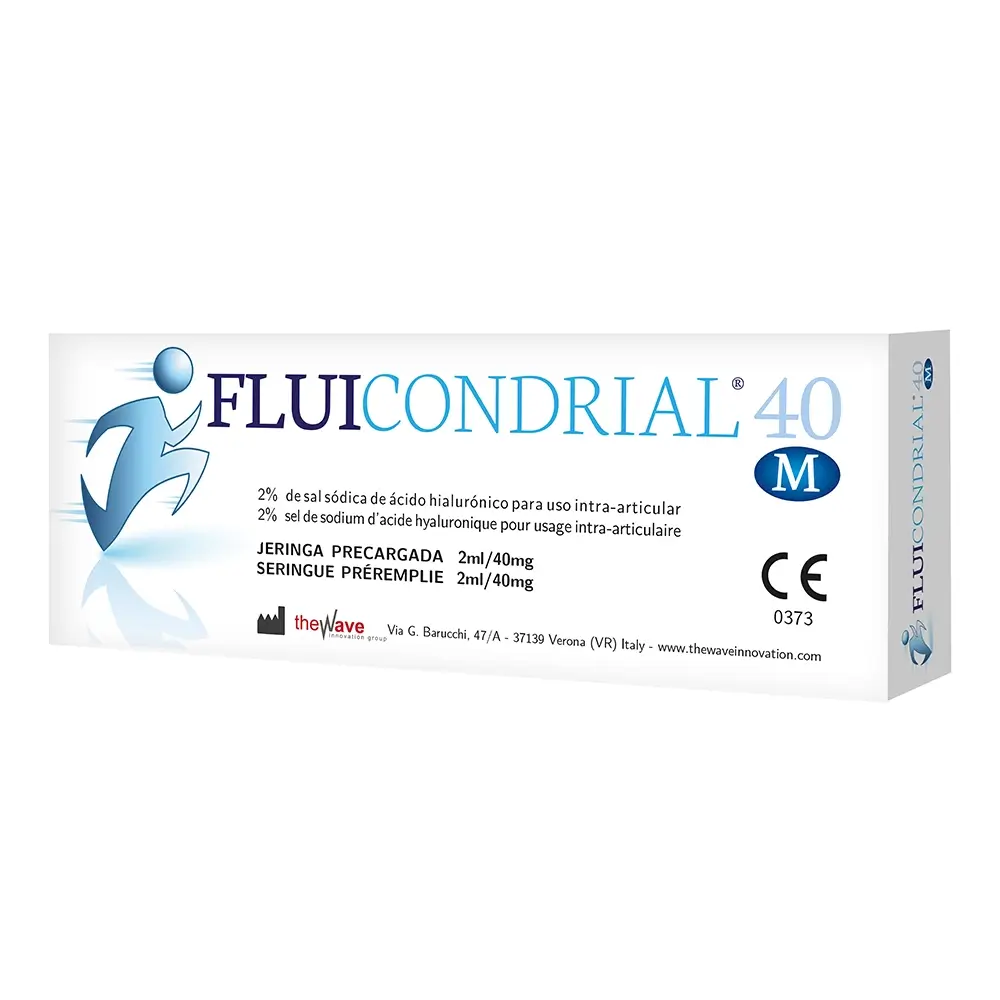
The main advantage of injecting hyaluronic acid is that, unlike tablets, the dose bypasses the barrier of the digestive system. In the case of capsule preparations, the substance is distributed throughout the body. In turn, when injecting hyaluronic acid into the joints, the entire dose is delivered directly to the joint capsule, which ensures greater effectiveness of the supplementation and accelerates the appearance of its effects. It is worth bearing in mind here that viscosupplementation is not an analgesic treatment. Hyaluronic acid injections into joints are only intended to increase the viscosity of the remaining synovial fluid or to stimulate the joint membrane to secrete more of it. Viscosupplementation will not therefore combat any inflammation, the treatment of which should be handled by an appropriate doctor. However, orthopedists note that hyaluronic acid injections into the knee joint significantly improve its cushioning. This in turn translates into better mobility and functionality of the entire leg, as well as reduced pain felt when walking.
What are the disadvantages of hyaluronic acid supplementation in the form of joint injections? First of all, the form of viscosupplementation itself can be off-putting for many people. Although liquid hyaluronic acid for joints is injected by a specialist, it is still an invasive method of applying the supplement and the doctor can never give a hundred percent certainty that, for example, there will be no nerve damage or painful swelling. The price of viscosupplementation can also be discouraging. Hyaluronic acid injections for joints are not reimbursed by the National Health Fund. This means that the patient must purchase ampoules of the preparation themselves and then pay for the service of performing the injection by a nurse. In the case of hyaluronic acid injections for joints, the price of a single viscosupplementation session can reach up to several hundred zlotys. On the other hand, performing the injections yourself can end tragically - there is a high risk of infection, damage to nerve connections, and even paralysis. Hyaluronic acid injections are therefore usually used as a temporary but very effective supplementation.
Hyaluronic acid preparations for joints in tablet form
Supplements in the form of tablets are certainly not unfamiliar to people who are physically active or lead a healthy lifestyle. Such preparations are available without a prescription and can be purchased in pharmacies, drugstores and markets. Among them, there is also no shortage of supplements that strengthen the skeletal system. Joint preparations with hyaluronic acid in the form of tablets are an alternative to viscosupplementation suitable for people on a limited budget or afraid of needles.
An undeniable advantage of supplementing with hyaluronic acid joint preparations is its flexibility. Of course, it is worth consulting a doctor, but this substance occurs naturally in the human body, so the risk of an allergic reaction is very low. Hyaluronic acid intended for oral supplementation can also be mixed with other substances that can enhance its effect. These include anti-inflammatory turmeric, strengthening vitamin D or glucosamisin, which is the main building block of joint cartilage. However, preparations with collagen and hyaluronic acid for joints, which are also available in a vegan version, are particularly popular. Collagen is a protein that is the main building block of skin, bones, and their joints. In combination with hyaluronic acid for joints, it creates a supplement that works comprehensively - i.e. moisturizing, strengthening and regenerating. The form of a tablet, on the other hand, makes its supplementation simple and pleasant, which significantly facilitates its regular use. The joint preparation with hyaluronic acid can then be added to your daily routine, thus providing yourself with a constant source of this substance. Tablets are also much cheaper than joint injections, so many more people can afford this type of supplementation.
[products=3153,1615,2891,3237]
The downside of hyaluronic acid preparations for joints in tablet form is their reduced effectiveness. After taking them, they reach the digestive system and disintegrate there. The released content of the capsules is absorbed by the hairs that make up the interior of the large intestine, which have blood and lymphatic vessels. The preparation for joints with hyaluronic acid then reaches the circulatory system and is distributed throughout the body. This translates into reduced effectiveness of this form of supplementation, and in the case of low concentration - even a complete lack of effects. It is therefore recommended to choose preparations with hyaluronic acid for joints, in which it constitutes approx. 90% of the capsule content.
Viscosupplementation or tablets - which hyaluronic acid is better for joints?
The choice between hyaluronic acid injections for joints and tablet preparations should depend primarily on the budget. If it is quite high, it is certainly worth investing in viscosupplementation. Regular use of hyaluronic acid injections for joints can significantly improve the condition of the skeleton, which will translate into even better well-being and greater effectiveness of training. If the budget is limited, tablets will also do their job here. There are many different joint preparations with a high concentration of hyaluronic acid available on the pharmacy market, which makes it much easier to find the right supplement. However, it should be remembered that this substance is not a cure. If joint pain occurs regularly after physical activity and prevents further training, a visit to the family doctor may be necessary.
Sources:
- Alina Beata Ostałowska, Sławomir Święchowicz, Bogdan Koczy, Tomasz Stołtny, Dariusz Nowak, Marta Skowron, Ewa Birkner, Sławomir Kasperczyk: Viscosupplementation in osteoarthritis of the knee joint
- Danuta Czajkowska, Małgorzata Milner-Krawczyk, Marta Kazanecka: Hyaluronic acid – characteristics, preparation and application. Faculty of Chemistry, Institute of Biotechnology, Department of Technology and Biotechnology of Medicinal Products, Warsaw University of Technology, 00-664 Warsaw
- https://www.praktyczna-ortopedia.pl/artykul/leczenie-chorej-chrzastki-stawowej-zasem-hialuronic-acid
- M Dymkowska-Malesa, Z Walczak: Supplementation in sports, Nowiny Lekarskie, 2011
- https://medycynasportowa.edu.pl/resources/html/article/details?id=184220&language=pl
- https://ruj.uj.edu.pl/xmlui/handle/item/197964
- https://www.praktycznafizjoterapia.pl/artykul/kolagen-w-jaki-sposob-wspiera-prace-fizjoterapeuty?


